
Thyroid disorders are common health conditions that affect the body’s metabolism, energy levels, and overall well-being. The thyroid gland produces hormones that regulate many important functions. While medication and medical treatment are essential for managing thyroid conditions, diet also plays an important role. Certain foods may interfere with thyroid function or reduce the effectiveness of thyroid medication. Understanding what foods to avoid in thyroid problems can help support better thyroid health.
Why Diet Matters in Thyroid Disorders
The thyroid gland requires specific nutrients, such as iodine and selenium, to function properly. However, some foods contain compounds that can affect hormone production or interfere with nutrient absorption. People with hypothyroidism, hyperthyroidism, or autoimmune thyroid diseases should pay close attention to their dietary choices.
Foods to Avoid in Thyroid Problems
1. Excess Soy Products
Soy products such as soybeans, tofu, soy milk, and soy protein contain compounds called isoflavones. These compounds may interfere with thyroid hormone production, especially in people who have iodine deficiency. While moderate consumption is generally safe, excessive intake should be avoided.
2. Highly Processed Foods
Processed foods often contain unhealthy fats, preservatives, and excessive sodium. They may contribute to weight gain and inflammation, which can worsen thyroid-related symptoms. Examples include packaged snacks, instant noodles, and processed meats.
3. Sugary Foods and Beverages
People with thyroid disorders often experience changes in metabolism. Consuming too much sugar can lead to weight gain and energy fluctuations. Soft drinks, candies, pastries, and sweetened beverages should be limited.
4. Fried and Fatty Foods
Foods high in unhealthy fats may reduce the body’s ability to absorb thyroid medication. Deep-fried snacks, fast food, and fatty processed foods should be consumed sparingly.
5. Excessive Cruciferous Vegetables
Vegetables such as cabbage, broccoli, cauliflower, kale, and Brussels sprouts contain goitrogens, which may interfere with thyroid hormone production when consumed in very large amounts. Cooking these vegetables reduces their goitrogenic effect.
6. Gluten-Rich Foods
Some people with autoimmune thyroid diseases may also have gluten sensitivity. In such cases, foods containing wheat, barley, and rye may trigger inflammation. Consult a healthcare professional before making major dietary changes.
Foods to Consume Instead
A thyroid-friendly diet may include:
- Eggs
- Fish
- Lean meats
- Fruits
- Cooked vegetables
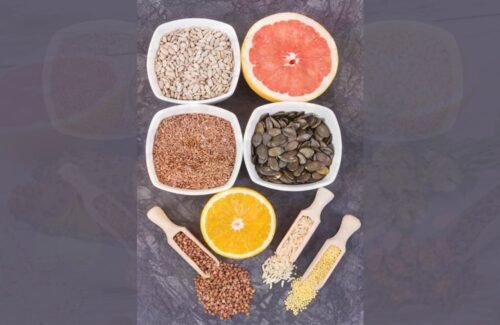
- Nuts and seeds
- Whole grains
- Dairy products in moderation
Tips for Managing Thyroid Health
- Take thyroid medication as prescribed.
- Maintain a balanced diet.
- Stay physically active.
- Avoid skipping meals.
- Get regular thyroid checkups.
Conclusion
There is no single thyroid diet that works for everyone, but avoiding excessive soy, processed foods, sugary snacks, unhealthy fats, and certain foods that may interfere with thyroid function can help support overall health. Always consult a healthcare provider or dietitian for personalized dietary recommendations based on your specific thyroid condition.
Leave a Reply