
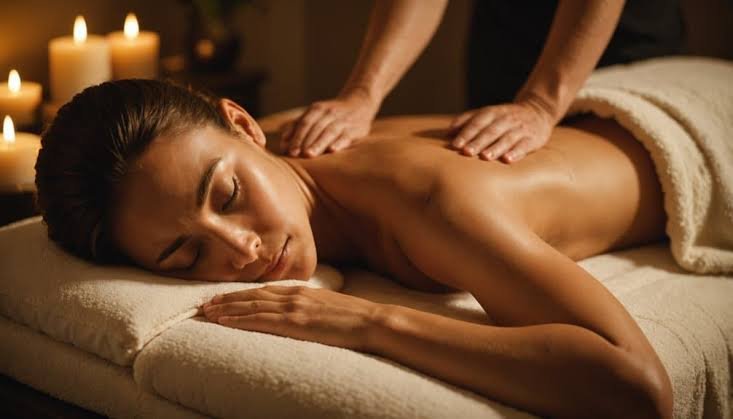
In the realm of Health & Wellness, the choice between Holistic Massage 30a and traditional massage techniques can significantly impact your well-being. As more individuals seek personalized care, understanding the distinct advantages of each approach is essential. Holistic Massage 30a integrates various healing modalities and aligns with Complementary and Alternative Medicine (CAM) Guidelines, offering a comprehensive approach to self-care. In contrast, traditional massage focuses primarily on muscle relaxation. This article explores the unique benefits of both methods, helping you decide which massage style aligns best with your wellness goals.
Holistic Massage 30a: A Unique Approach to Wellness
Holistic Massage 30a represents a comprehensive approach to health, combining elements of therapeutic touch with principles from disciplines like Psychoneuroimmunology and Biophilia Design Principles. This method addresses not only physical tension but also emotional and psychological stressors. An Integrative Wellness Specialist often guides clients through this process, ensuring that the massage is part of a broader wellness strategy. According to the Holistic Massage 30a approach, this technique can contribute to reducing stress and enhancing overall well-being, making Holistic Massage 30a a valuable option.
Unlike traditional massage, Holistic Massage 30a incorporates Clinical Aromatherapy Techniques for a multisensory experience. This aspect of the massage utilizes essential oils to promote relaxation and healing. The integration of such techniques can lead to a more profound relaxation response, aligning with the Stress Reduction Protocol recommended for those experiencing high levels of stress.
Furthermore, practitioners often conduct a Functional Medicine Assessment to tailor the session to individual needs. This assessment identifies specific health concerns and aligns the massage therapy with other evidence-based wellness strategies, offering a personalized path to improved health.
Traditional Massage Techniques and Their Effects
Traditional massage techniques have long been utilized for their ability to relieve muscle tension and improve circulation. These methods focus on manipulating the muscles and soft tissues to promote relaxation and physical recovery. While traditional massages do not typically incorporate elements like the Self-Care Assessment Tool (SCAT), they remain popular for their straightforward approach to physical well-being.
One of the primary benefits of traditional massage is its ability to address immediate physical discomfort, making it an effective choice for those seeking relief from muscle soreness. Techniques such as Swedish massage or deep tissue massage are common examples, each offering varying degrees of pressure to suit individual preferences.
However, traditional massage may not address the broader spectrum of emotional and psychological stressors. It’s here that traditional methods might fall short compared to a more integrative approach like Holistic Massage 30a.
Comparing Holistic and Traditional Massage for Stress Relief
When evaluating Holistic and traditional massages for stress relief, it’s crucial to consider how each method aligns with your personal wellness goals. The Holistic Health Coach often integrates Mindfulness-Based Stress Reduction (MBSR) techniques into their sessions, promoting a holistic approach to stress management. This comprehensive strategy can be particularly effective for individuals seeking to address both physical and emotional aspects of stress.
On the other hand, traditional massage is often chosen for its immediate physical benefits. According to a recent study published in the National Institutes of Health, traditional methods can effectively reduce muscle tension and improve overall physical relaxation. However, for those targeting emotional well-being and stress relief, the holistic approach may prove more beneficial due to its comprehensive nature.
Ultimately, the choice between these two styles may depend on whether you prioritize immediate physical relief or a more integrative approach to wellness. Both methods offer unique benefits, making them valuable components of a personalized self-care regimen.
Choosing the Right Massage for Your Personal Well-Being
Choosing between Holistic Massage 30a and traditional massage should be guided by your personal health and wellness objectives. Consider conducting a Wellness Program Evaluation Framework to assess which massage style aligns best with your goals. This framework can help determine whether your needs are primarily physical or if they extend into the emotional and psychological domains.
If your focus is on integrating Therapeutic Lifestyle Changes (TLC) into your routine, Holistic Massage 30a may offer a more comprehensive solution. This style not only addresses physical tension but also integrates broader wellness strategies such as Nutritional Biochemistry and the Health Behavior Change Model to support long-term well-being.
For those seeking immediate relief from muscle tension, a traditional massage can be a suitable choice. It is essential, however, to ensure that the selected method aligns with your overall health strategy to achieve the best results.
Conclusion
Deciding between Holistic Massage 30a and traditional massage involves considering your unique health and wellness needs. Holistic Massage 30a offers a comprehensive approach that addresses physical, emotional, and psychological well-being. In contrast, traditional massage provides immediate physical relief. By aligning your choice with your personal wellness objectives, you can enhance your overall well-being and achieve a balanced lifestyle.
Leave a Reply