
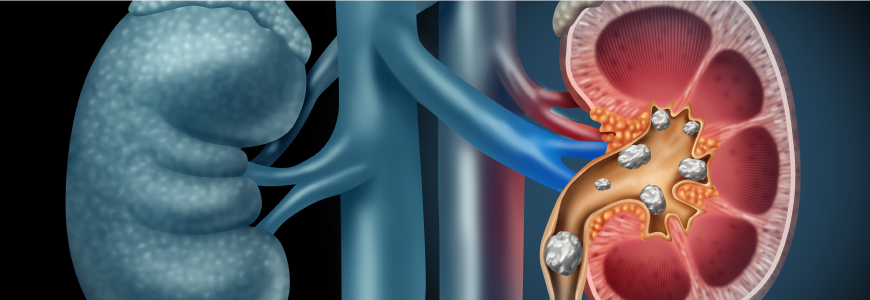
A sudden, sharp pain in the lower back or abdomen is often the first sign of kidney stones and for many, it can be severe enough to disrupt routine activities. Kidney stones are a common urological condition, often linked to lifestyle and dietary factors, and can affect individuals across different age groups.
These stones form when minerals and salts in the urine become concentrated and crystallise within the kidneys. While some may pass naturally, others can lead to intense pain, urinary complications, or infections if not treated promptly.
In this article, we will discuss kidney stone prevention, the underlying causes, key symptoms, and importantly, when to see a kidney doctor for timely diagnosis and effective treatment.
What are kidney stones?
Kidney stones are solid crystals that form in the kidneys when urine becomes concentrated. When urine contains high levels of minerals such as calcium, oxalate, or uric acid, these minerals can bind together and form stones.
These stones vary in size. Smaller stones may pass through the urinary tract without symptoms, while larger ones can block urine flow and cause severe pain.
In many cases, treatment depends on the stone’s size, type, and location. Therefore, early diagnosis and appropriate kidney stone treatment are important for recovery.
Symptoms of kidney stones
Symptoms of kidney stones often appear when the stone moves within the urinary tract.
Common symptoms:
- Severe pain in the lower back, side, or abdomen
- Pain during urination
- Blood in urine
- Frequent urge to urinate
- Nausea or vomiting
Additional symptoms:
- Fever or chills (if infection is present)
- Cloudy or foul-smelling urine
These symptoms can vary depending on the stone’s size and position. Therefore, prompt evaluation is important.
When to see a doctor?
Recognising when to see a kidney doctor is essential to prevent complications.
Seek medical attention if you experience:
- Severe or persistent pain
- Blood in urine
- Difficulty passing urine
- Fever with chills
- Recurrent kidney stones
Additionally, individuals with a history of stones should consult a nephrologist in Pune for regular monitoring and preventive care.
Causes of kidney stones
Kidney stones develop due to several factors that affect urine composition.
Common causes:
- Dehydration leading to concentrated urine
- High intake of salt or protein
- Excess oxalate in the diet
- Genetic predisposition
When discussing stone formation, it is important to note that multiple factors may act together.
Risk factors associated with kidney stones
Certain conditions and habits increase the likelihood of developing kidney stones.
Key risk factors:
- Low fluid intake
- Obesity
- Family history of kidney stones
- Certain medical conditions, such as diabetes
- A diet high in sodium or sugar
Moreover, individuals with metabolic disorders may have a higher risk of recurrence.
Complications of kidney stones
If left untreated, kidney stones can lead to complications.
Possible complications:
- Urinary tract obstruction
- Kidney infections
- Recurrent stone formation
- Reduced kidney function
Therefore, early diagnosis and appropriate treatment of kidney stones are crucial to prevent long-term damage.
Diagnosis of kidney stones
Accurate diagnosis helps determine the size and type of stone and guides treatment decisions.
Diagnostic methods:
- Urine tests to detect minerals and infection
- Blood tests to assess kidney function
- Imaging tests such as an ultrasound or a CT scan
- Analysis of past stones
These tests help doctors decide the most suitable treatment plan.
Treatment options for kidney stones
Treatment depends on the stone’s size and severity.
Conservative treatment:
- Increased fluid intake
- Pain management medications
- Medications to help pass the stone
Advanced treatment options:
- Shock wave lithotripsy (breaking stones using sound waves)
- Ureteroscopy for stone removal
- Surgical intervention in complex cases
Patients seeking kidney stone treatment in Pune can benefit from advanced medical facilities and specialised care.
Kidney stones prevention and management
Preventive care plays a key role in reducing the risk of recurrence.
Key prevention strategies:
- Drink adequate water throughout the day
- Reduce salt and processed food intake
- Maintain a balanced diet
- Limit foods high in oxalate
- Manage underlying conditions such as diabetes
Additionally, regular follow-ups with a nephrologist in Pune can help monitor kidney health and prevent recurrence.
Conclusion
Kidney stones are a common but preventable condition when managed appropriately. Focusing on kidney stones prevention through proper hydration, dietary control, and lifestyle changes can significantly reduce the risk of recurrence.
With appropriate kidney stones treatment, most patients can recover well and maintain normal kidney function.
At Aditya Birla Memorial Hospital, patients benefit from comprehensive kidney care, including advanced diagnostics, personalised treatment plans, and long-term management support. For those seeking specialised care, accessing advanced Kidney Stones Treatment in Pune ensures accurate diagnosis and effective treatment. Additionally, managing underlying conditions through expert care in Endocrinology and Diabetes in Pimpri Chinchwad can further support long-term kidney health.
FAQs:
- What are the best waysfor preventingkidney stones?
Drinking enough water, reducing salt intake, and maintaining a balanced diet are key strategies for preventing kidney stones.
- When should I see a kidney doctor for kidney stones?
You should consult a doctor if you experience severe pain, blood in your urine, or recurrent kidney stones.
- What are the treatment options for kidney stones?
Treatment may include medications, increased hydration, or procedures such as lithotripsy or surgery, depending on the stone’s size and location.
Leave a Reply